Why Environmental Conservation and Social Forestry Matter
Healthy villages depend on healthy natural surroundings. Trees matter here. Clean water matters too. So does fertile land and fresh air. All of these hold up daily life in rural communities. When forests disappear, farming gets harder. Wildlife loses its home too. Families face new problems as well. That is why environmental conservation and social forestry are becoming important parts of rural development. These efforts protect nature. They also improve the lives of people who depend on it every day.
What Is Environmental Conservation?
Environmental conservation means protecting natural resources. This way they keep supporting both people and wildlife. It includes planting trees and saving water. It also means reducing pollution. Forests need protecting too. Natural resources need using wisely, not carelessly.
Conservation isn’t only about saving nature, for its own sake. It’s also about the future. It makes sure future generations get clean air. They get healthy soil too. They get safe drinking water. They get good farmland as well.
Understanding Social Forestry
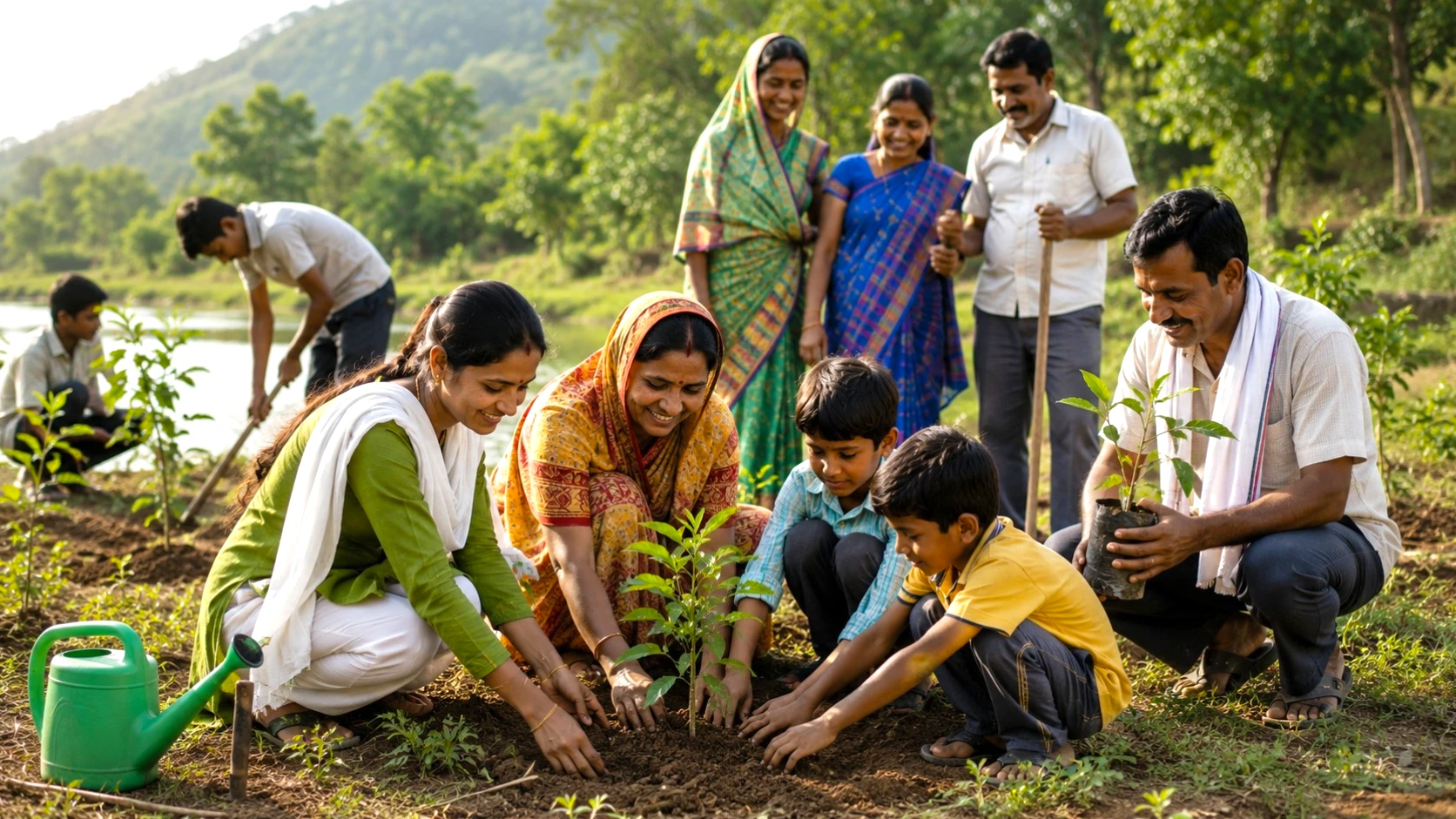
Social forestry means planting and caring for trees. The community helps with this work. Protecting forests alone isn’t the whole picture, here. People work together, instead. They grow trees on village land and roadsides. They also grow trees at schools, farms and public spaces.
These plantations bring environmental benefits. They also support local livelihoods. Community involvement makes social forestry to work better. People take responsibility for the trees this way, and that’s really the key to it lasting. They keep caring for them long, after planting.
Trees Improve the Environment
Trees bring many environmental benefits. They absorb carbon dioxide. They release oxygen. They reduce air pollution too. They help keep the natural balance of the ecosystem.
Large green areas also cool things down during hot weather. People end up with nice spots to gather under some shade. Villages with more trees often enjoy cleaner air. They also enjoy a healthier environment overall.
Protecting Soil for Better Farming
Farming is considered as the main income for many rural families. Growing crops depends on healthy soil. But heavy rain can wash away fertile topsoil. Strong wind can do this too.
Tree roots hold the soil together. This reduces erosion. Trees also improve soil quality, over time, since they add natural organic matter, as they grow.Better soil helps farmers to grow healthier crops. It also helps them to produce more.
Saving Water for Future Generations
Water shortages affect many rural areas. Saving water matters, just as much as planting trees.
Trees help rainwater soak into the ground. Otherwise it just runs off quickly and gets wasted. Their roots improve groundwater recharge. They also reduce surface runoff. This supports wells and ponds. It supports underground water too. Communities depend on this, all year.
Protecting rivers and ponds helps keep clean water flowing. It matters for farming. It matters for animals too. It matters for households as well.
Supporting Wildlife and Biodiversity
Healthy forests give food to birds and insects. They give shelter too. Many other animals depend on them as well. Every species has its own part to play in keeping nature, balanced.
When communities plant native trees, they help save biodiversity. Protecting green spaces, also helps. A healthy ecosystem supports for pollination. It also supports natural pest control. It strengthens farming systems, too.
Protecting wildlife also keeps rural landscapes as beautiful. It keeps them ecologically valuable too.
Community Participation Makes Conservation Successful
Environmental programs work best when local people join in actively. They should not just watch from the side.
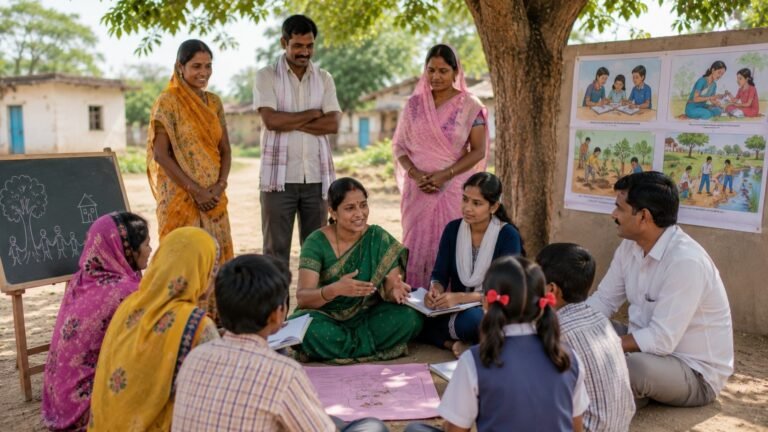
Villagers can organize tree plantation drives. They can protect newly planted saplings. They can reduce waste too. Spreading awareness about caring for the environment matters, as well. Schools help, too. Youth groups pitch in. Local organizations help children to respect nature from a young age.
When everyone pitches in, conservation efforts keep going strong, for years.
Social Forestry Creates Economic Opportunities
Social forestry also brings money to rural communities. Trees produce fruits and flowers. They produce seeds and medicinal plants too. They produce bamboo as well. Families can use these things. They can also sell them.
Well managed plantations can provide timber too. They can provide fuelwood as well. This happens sustainably. It does not damage natural forests.
These extra income sources improve financial security. They also encourage people to manage resources responsibly.
Environmental Education Builds Responsible Communities
Many environmental problems can shrink through education. Awareness helps too.
Teaching children about recycling builds better habits. Teaching about saving water helps too. So does teaching about managing waste. So does teaching about protecting trees. Schools help to spread this message. Community meetings help as well. Awareness campaigns show, how small actions add up over time.
Educated communities, end up protecting their surroundings better.
Working Together Creates Long-Term Results
Lasting environmental improvement cannot happen through one person, alone. Government agencies have a part to play. Non-profit groups do too. Schools, businesses, and local residents all matter here.
When these groups pull together, bigger plantation drives become possible. Environmental education improves too. Damaged land gets restored. Solutions that help entire communities start to take shape.
Strong partnerships help environmental projects continue for many years.
Environmental Conservation Supports Better Health
A cleaner environment also improves public health. Trees help cut down dust. They cut down pollution too. This creates cleaner air for families to breathe.
Protected water sources helps to lower the risk of waterborne disease. Greener surroundings helps to encourage outdoor activity, too. These improve for overall wellbeing, as well. Healthy environments help to build healthier communities.
Small Efforts Lead to Big Change
Every tree planted makes a difference. Every pond protected helps too. Every awareness program adds something positive.
People can start small. Plant trees near their homes. Reduce plastic waste. Save water. Encourage neighbours to join environmental activities. Small actions grow powerful, when whole communities work together.
Positive environmental change grows, step by step. It happens, through steady community involvement.
Conclusion
Environmental conservation and social forestry play a big role in rural communities. They help build something stronger. They also help build something more sustainable. Tree plantation and water conservation work together, on this. Soil protection matters too. Environmental education matters here as well. Community participation plays its part too. All of this improves nature. It also improves people’s lives. These efforts support farming in a big way.. They protect wildlife. They strengthen local economies too. They help create healthier places to live. Organizations like Siddhartha Bal Shiksha Prasar Samiti keep encouraging community led environmental work. This work helps to build greener villages. It also builds for a more sustainable future for generations to come.